Source 2 channel partial discharge detector for transformers
Find a 2 channel partial discharge detector for testing electrical equipment. Compare 30 listings from verified Chinese manufacturers to evaluate specifications like sampling accuracy, measurement range, and display features for your procurement needs.
Key considerations
Products List

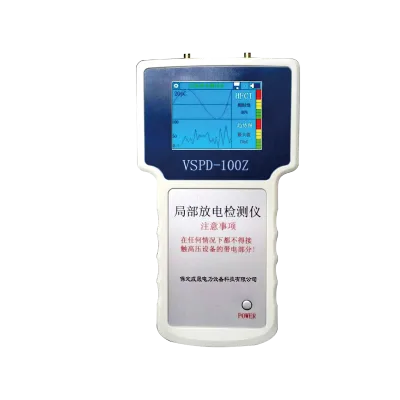
2 Channels Digital Partial Discharge Detector for Partial Discharge Testing
$2000.00 - $3000.00
Moq: 1




Comprehensive Sourcing Guide
Strategic Sourcing Guide for 2-Channel Partial Discharge Detectors
Understanding Technical Specifications and Measurement Capabilities
When sourcing a 2-channel partial discharge (PD) detector, buyers must prioritize the specific technical parameters that define the instrument's ability to detect, quantify, and analyze insulation defects. The core functionality of these devices revolves around their sensitivity and the range of capacitance they can effectively measure. In the current market, high-performance units often feature a detection sensitivity range spanning from 0.02 picofarads (pF) up to 10 microfarads (µF). This wide dynamic range is critical for identifying both minute discharge events in high-voltage equipment and larger anomalies in lower voltage systems.
The architecture of the detector significantly influences its performance. Advanced models in this category frequently utilize independent channel configurations to allow for simultaneous monitoring of different phases or test points. While the core keyword specifies a 2-channel requirement, it is essential to verify if the system supports independent 4-channel operation, as this provides greater flexibility for complex testing scenarios. The sampling accuracy of the internal analog-to-digital converters is another vital metric; a 12-bit sampling accuracy ensures that the digital representation of the discharge pulses retains sufficient resolution for accurate phase-resolved partial discharge (PRPD) pattern analysis.
Furthermore, the display and user interface play a crucial role in operational efficiency. Modern detectors are equipped with large, high-resolution screens, such as 12-inch TFT true color touchscreen LCD displays, which facilitate real-time visualization of PD patterns. The system often runs on embedded or standard operating environments, such as Windows XP, with a central processing unit (CPU) operating at a mains frequency of 1.60GHz. This processing power is necessary to handle the high sampling rates, which can reach up to 200 mega-samples per second (MSa/S), ensuring that transient discharge events are captured without aliasing or data loss. The digital filter capabilities, typically adjustable between 10kHz and 1MHz, allow technicians to tune the instrument to the specific noise environment of the testing site, improving the signal-to-noise ratio.
Compliance, Certification, and Standard Verification
Ensuring that a partial discharge detector meets international and regional standards is a non-negotiable aspect of B2B procurement. Buyers must verify that the equipment complies with relevant safety and performance standards, such as ISO 9001 for quality management, ISO 14001 for environmental management, and OHSAS 18001 for occupational health and safety. These certifications indicate that the manufacturing process adheres to rigorous protocols, reducing the risk of receiving substandard or unsafe equipment.
In the context of partial discharge testing, specific electrical standards are often referenced, such as IEC 60270 for high-voltage test techniques. While specific test results for individual units may not be publicly available in general catalogs, buyers should request documentation confirming that the device's design and calibration align with these standards. The accuracy of the measurement is paramount; a typical high-confidence specification for test voltmeters in this class of equipment is better than ±5% of the full scale. This accuracy level ensures that the reported partial discharge magnitude is reliable for making critical decisions regarding the health of high-voltage assets.
Additionally, the certification status of the product should be explicitly checked. Some suppliers offer customized certification options, which can be beneficial for buyers with specific regulatory requirements in their local jurisdiction. It is important to distinguish between the certification of the manufacturing facility and the certification of the specific product model. Buyers should also verify the origin of the product, as manufacturing locations like Hubei or Wuhan in China may have specific supply chain implications regarding logistics and after-sales support. The presence of a recognized mark, such as "Huazheng," can serve as an identifier for the brand, but the technical compliance must be validated through independent documentation or third-party testing reports.
Cost Drivers and Pricing Structure Analysis
The pricing of 2-channel partial discharge detectors is influenced by a complex interplay of technical specifications, build quality, and included accessories. The observed market price range for these instruments typically spans from $1,300 to $50,000 USD. This wide variance reflects differences in capabilities, such as the number of channels, sampling rates, display quality, and the inclusion of advanced software for data analysis. Lower-priced units may offer basic detection functions with standard sensitivity, while higher-end models provide computer control, extensive data logging, and superior resolution.
Minimum Order Quantity (MOQ) is another critical factor in the cost structure. In many cases, the MOQ for these specialized instruments is set at 1 unit, allowing for flexible procurement for single-site testing needs. However, buyers should be aware that the unit price may decrease with volume, although this is less common for high-value, specialized equipment. The packaging method also contributes to the overall cost; units shipped in wooden boxes with wrapping film or foam are designed to protect sensitive electronics during transit, which adds to the manufacturing and logistics expenses.
Other cost drivers include the power requirements and the weight of the unit. Instruments with a power source of AC 220V at 50Hz and a power consumption of around 300W are standard, but variations exist. The weight of the instrument, which can range from 0 to 100kg depending on the model and included accessories, affects shipping costs. For instance, a unit weighing 15.8kg is relatively portable, whereas heavier systems may require specialized handling. Buyers should also consider the long-term costs associated with calibration, maintenance, and software updates, which are often bundled into the initial purchase price or offered as separate service contracts.
Typical Applications and Operational Environments
Partial discharge detectors are primarily used in the inspection and maintenance of high-voltage electrical equipment, including transformers, cables, switchgear, and generators. The specific application dictates the required sensitivity and measurement range. For example, in the testing of power transformers with a rated capacity of 5-1000 kVA, the detector must be capable of measuring partial discharge capacity of ≤5 pC under rated voltage. This level of precision is essential for detecting early signs of insulation degradation before catastrophic failure occurs.
The operational environment is another key consideration. These instruments are designed to function in a wide range of temperatures, typically from -10°C to 40°C, and relative humidity levels up to 95%. This robustness allows for field testing in various climates, from cold industrial plants to humid outdoor substations. The loading method is also a critical factor; some detectors support static load testing, while others utilize electronic load methods to simulate real-world operating conditions. The ability to perform tests once per hour, as specified by certain models, ensures that the equipment can be monitored over extended periods without overheating or degrading performance.
In addition to field testing, these detectors are used in laboratory settings for quality control and research. The ability to measure mass scope of workpieces up to 900kg and handle impedance voltages of 10% makes them versatile for testing large-scale electrical components. The insulation method, often oil-based for transformers, requires detectors that can accurately measure discharge in oil-filled environments. The digital filter options, ranging from 10kHz to 1MHz, allow technicians to isolate PD signals from background noise, ensuring accurate diagnosis of insulation issues in complex electrical systems.
Supplier Evaluation and Quality Control Protocols
Evaluating suppliers of partial discharge detectors requires a thorough assessment of their technical capabilities, quality control processes, and after-sales support. Buyers should verify the supplier's adherence to international standards, such as ISO 9001, and check for any specific certifications related to the manufacturing of high-voltage testing equipment. The origin of the product, whether from Hubei or Wuhan in China, can provide insights into the supply chain and potential lead times.
Quality control should be a central part of the procurement process. Buyers must request detailed test reports that demonstrate the instrument's performance against key specifications, such as sampling accuracy, sensitivity, and measurement range. The use of computer control and digital filters should be validated to ensure they function as advertised. Additionally, the physical build quality, including the weight and dimensions of the unit, should be verified to ensure it meets the logistical requirements of the testing site.
Suppliers should also provide comprehensive documentation, including user manuals, calibration certificates, and maintenance guides. The availability of spare parts and the responsiveness of technical support are crucial for minimizing downtime. Buyers should inquire about the supplier's experience in the industry and their track record of delivering reliable equipment. The presence of a recognized brand mark, such as "Huazheng," can be a positive indicator, but it should be supported by verifiable performance data and customer references.
Long-Term Procurement and Lifecycle Management
Sourcing a 2-channel partial discharge detector is not just a one-time purchase but an investment in long-term asset management. Buyers should consider the lifecycle costs, including calibration, software updates, and potential upgrades. The operating system, such as Windows XP, may require specific compatibility checks for future software updates or integration with modern data management systems. The dimension of the instrument, typically around 474mm in length, 288mm in width, and 370mm in height, should be considered for storage and transport logistics.
Long-term procurement strategies should also account for the scalability of the equipment. As testing requirements evolve, the ability to upgrade the detector's capabilities or add additional channels can extend the useful life of the instrument. The power mode, typically AC 220V at 50Hz, should be compatible with the power infrastructure at the testing site. The weight of the unit, which can vary from 0 to 100kg, impacts the ease of transport and the need for specialized handling equipment.
Finally, buyers should establish a clear maintenance schedule and ensure that the supplier provides ongoing support. Regular calibration is essential to maintain the accuracy of the measurements, which is critical for making informed decisions about the health of high-voltage equipment. By focusing on these long-term considerations, buyers can ensure that their investment in partial discharge detection technology delivers maximum value and reliability over its entire lifecycle.
FAQs
What is the detection sensitivity range for this detector?
The detection sensitivity ranges from 0.02 picofarads to 10 microfarads. This wide dynamic range allows the instrument to identify both minute discharge events and larger anomalies in various high-voltage systems effectively.
Which certification standards does the manufacturer follow?
The product adheres to ISO 9001, ISO 14001, and OHSAS 18001 standards. These certifications ensure that the manufacturing process meets rigorous quality, environmental, and occupational health and safety protocols.
How is the instrument powered and what is its weight?
The device operates on AC 220V at 50Hz with a power consumption of 300W. It weighs 15.8kg, making it portable enough for field testing while maintaining stability during operation.
Can the detector measure partial discharge capacity under rated voltage?
Yes, it measures partial discharge capacity of less than or equal to 5 picocoulombs under rated voltage. This capability is essential for detecting early signs of insulation degradation in high-voltage equipment.
What display features does the system include?
The system features a 12-inch TFT true color touchscreen LCD display. This interface facilitates real-time visualization of partial discharge patterns and supports computer control for efficient data analysis.
What is the packaging method for shipping this unit?
The unit is packed in a wooden box with foam or wrapping film. This protective packaging ensures that the sensitive electronics remain secure and undamaged during transit to the buyer.
Which operating system runs on the detector's CPU?
The instrument runs on the Windows XP operating system with a 1.60GHz CPU. This configuration supports the high sampling rates required to capture transient discharge events without data loss.